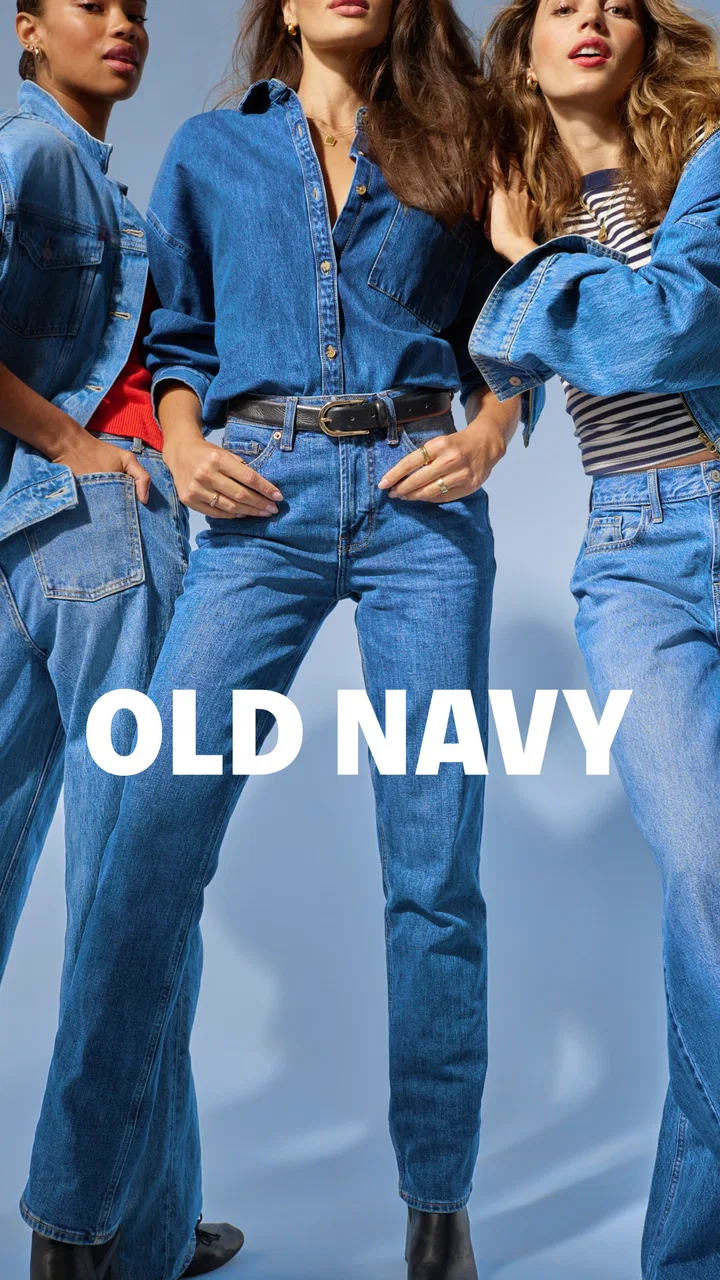
Old Navy: Fashion at a Value!
- 4.8
- Rating
- 1.00M
- Installs
- Free
- Price

 Analysis by App-foxy
I like shopping apps most when they remove small annoyances rather than trying to turn every purchase into an event. Old Navy: Fashion at a Value! takes that practical approach. It is a free shopping app from Gap Official for browsing clothing across women’s, men’s, and kids’ ranges, with enough room to compare styles before deciding whether to buy. After spending time with it, I found it most useful as a focused way to check Old Navy’s catalog from a phone, save time on repeat shopping, and make a more deliberate choice than I would by walking into a store without a plan.
The app is aimed at Everyone and runs on devices using iOS 11 or later. It has been available since March 17, 2021, and the current version is 17.3.2. Its broad appeal is easy to understand: the service has passed one million installs, carries a 4.8 average from around 120 thousand ratings, and remains free to download. Those figures suggest a mature shopping experience, but they do not remove the need to judge whether its particular workflow matches the way you shop.
How I use Old Navy for a calmer shopping routine
I use the app more calmly when I decide what I’m shopping for before opening it, then keep a short list of the questions that matter for each item—such as whether a pair of jeans suits everyday wear or whether a children’s piece fills a real gap. That keeps browsing focused without rushing the choice. Next, I look at how a little preparation can make the shopping workflow easier to recover when it loses momentum.
You May Also Like

 Blood Strike: 2.5 Anniversary
Blood Strike’s Loadouts Turn Every Drop Into a Tactical Gamble
A close look at Blood Strike’s custom loadouts: how fast access to signature weapons reshapes its battle royale rhythm, rewards preparation, and narrows the gap between fights.

 Pandora - Music & Podcasts
Pandora’s Music Is Easy to Start, but Harder to Recover
Pandora’s strength is its low-effort path from a seed to a station. Its weak spot is how much confidence it asks you to place in connection, setup, and quiet recovery.

 8 Ball Pool
 Is Built on Rivalries, Rematches, and Routine
A close look at the rivalries, rematches, shared routines, and unanswered safety questions that turn a quick pool match into a persistent mobile community.

 Samsung Music
’s Quiet Strength Is Playing What You Already Own
Its reach comes less from spectacle than from dependable access to a personal library. That simplicity is both the app’s strongest retention engine and its ceiling.

 AccuWeather: Weather Radar
AccuWeather Review: A Quick, Clear Forecast for Everyday Decisions
For everyday plans, the best forecast is the one you can understand quickly. AccuWeather makes rain timing, radar, and local conditions easy to act on, with a few trade-offs.

 Hill Climb Racing
Why Hill Climb Racing Still Turns Crashes Into One More Run
A tiny car, a bumpy hill and one more upgrade: Hill Climb Racing keeps resurfacing because its simple chaos makes every near-miss feel personal.
More From Our News Desk
View All News


Starting with a purpose instead of scrolling
My best results came from opening the app with a specific job in mind. “I need jeans for work,” “I want a few children’s basics,” or “I am checking whether a certain type of dress is available” is a much better starting point than browsing every category at once. The catalog covers a wide range, and an unfocused session can quickly become a long stream of attractive options that are difficult to compare.
I usually begin by choosing the department that fits the person I am shopping for, then narrow my attention to the garment type. This simple order matters. Moving directly from a broad clothing section into a defined product group makes the app feel less like entertainment and more like a useful shopping list. It also helps me notice whether I am comparing genuinely similar items or merely reacting to different photos.
The store summary emphasizes apparel from jeans and dresses to children’s fashion and men’s clothing, and that breadth is reflected in the way I use the app. It works particularly well for households that need several kinds of clothing in one session. Instead of switching between separate retailers for adult and children’s items, I can keep the search inside one familiar catalog and make decisions in one place.
Reading a product page before adding anything
I do not treat the first appealing image as a finished decision. I open the product page and look at the available choices, the description, and the visual details before adding an item. Clothing photos can make two similar pieces look interchangeable, but small differences in cut, fabric appearance, or styling can matter once the garment arrives.
A useful habit is to decide what information would change my mind before I add the item. For jeans, that might be the fit or leg shape. For a children’s item, it may be whether the style suits everyday use rather than a single occasion. For a dress, I pay more attention to the overall silhouette and whether the design looks easy to wear with clothing already in my wardrobe.
This approach also reduces a common mobile-shopping mistake: building a large cart first and checking details afterward. I prefer to inspect one item, compare it with another, and only then keep the stronger option. The app is more helpful when I use it as a comparison tool than when I treat it as an endless visual feed.
Building a repeatable household workflow
For regular shopping, I keep a short mental checklist: who needs the item, what kind of use it must handle, which alternatives are acceptable, and whether the purchase solves an immediate need. I then browse by department and product type, inspect the most promising choices, and review the cart as if I were checking a paper list. This prevents the app from turning a simple replacement purchase into an unnecessary wardrobe refresh.
One realistic example is preparing for a child’s new school term. I can first look through kids’ clothing, identify practical categories, and compare several pieces without visiting multiple sections at random. After that, I review the selections together and remove anything that duplicates what is already needed. The same pattern works for replacing worn jeans or finding a few coordinated pieces for an upcoming trip.
The most valuable habit is separating discovery from commitment. I allow myself to browse widely at first, but I make the final decision only after checking the item in context. That small pause is where the app becomes more useful than a quick impulse-buying tool.
Navigation habits that save time
Experienced use is less about a secret feature and more about repeating the same efficient sequence. I start with the department, move to the garment category, compare a manageable group, and return to the cart only after I have checked the strongest candidates. If I already know the type of item I want, I avoid wandering through unrelated collections simply because they are visible.
I also keep my search language plain. A broad term can be useful for discovery, while a more specific phrase helps when I know the garment family already. The point is not to search for a perfect phrase every time, but to switch between broad and narrow searches intentionally. Broad browsing helps when I am unsure of the style; focused browsing is better when I am replacing something familiar.
When I shop for more than one person, I mentally finish one person’s list before moving to the next. Mixing women’s, men’s, and kids’ items in one stream makes it easier to overlook a missing category or add something simply because it looks appealing. A structured pass is slower for the first minute and faster by the end.
Settings and device checks worth making
There are no settings I would change blindly just because they exist. I first make sure the app is running in a comfortable display environment, that text is easy for me to read, and that the device has enough room for a normal shopping session. These are basic checks, but crowded product pages and repeated scrolling become tiring when the phone’s display or system settings are not comfortable.
I also check that the app is current before starting a large order. Version 17.3.2 is the current release, and keeping the installed version up to date is a sensible way to avoid preventable friction in a shopping workflow. I would not update immediately before an urgent purchase on an unreliable connection, but for routine use I prefer to shop with the current app rather than an old installation.
Notifications deserve a deliberate decision. Some shoppers like reminders about activity, while others find retail alerts distracting. I prefer to allow only the notifications that genuinely help me remember a planned shopping task. If alerts encourage me to open the app without a need, they work against the disciplined workflow that makes the experience better.
Privacy and account choices should also be approached practically. I use the minimum information and permissions needed for the shopping task, then review anything the device presents during setup. This is not a criticism of Old Navy specifically; it is simply good mobile-shopping hygiene. A retail app should fit into my routine, not quietly dictate how often I return to it.
Faster patterns for repeat purchases
The fastest users are not necessarily the people who scroll the quickest. They are the people who remember what they are trying to solve. If I am replacing a familiar basic, I begin with the closest category and compare only a few plausible choices. If I am exploring a new style, I give myself more room to browse but still set a stopping point before the session becomes aimless.
I find it helpful to use a two-pass method. During the first pass, I collect possible candidates without overanalyzing every detail. During the second, I return to those candidates and judge them against the actual need. This is especially useful when shopping for several people, because it prevents every attractive item from competing equally for attention.
Another useful pattern is to shop around an outfit or purpose rather than around a single product. A pair of jeans may look good alone, but the better question is whether it works with tops and shoes already available. A children’s purchase may be attractive, but its value depends on how often it will be worn. Thinking in complete use cases makes the catalog easier to navigate and reduces regret.
For a repeat shopper, I would keep a simple note outside the app with the categories that are commonly needed and the questions that matter for each one. That note might remind me to check fit for jeans, practicality for kids’ clothing, or versatility for dresses. It is not an Old Navy feature, but it makes the app far more efficient because I arrive with a decision framework instead of relying on impulse.
Where the experience can slow down
The same breadth that makes the catalog useful can also make it feel busy. If I want one very specific item, I may need to make several choices before reaching the most relevant results. This is not a serious problem for planned shopping, but it can feel less convenient than a retailer with a smaller, more tightly focused selection.
Mobile shopping also has an unavoidable weakness: clothing is difficult to judge through a screen. Images can help me understand the design, but they cannot fully replace trying something on. I therefore treat the app as excellent for narrowing options and making a considered purchase, not as a guarantee that every item will suit me perfectly.
People who enjoy browsing a physical store may prefer the ability to touch fabrics, compare colors under real lighting, and make an immediate judgment about fit. Likewise, someone who wants a highly specialized garment outside Old Navy’s everyday apparel focus may be better served by a retailer built around that niche. This app is strongest when its familiar clothing range matches the shopper’s needs.
I would also skip it as a primary tool if I dislike making decisions on a phone or if I need a purchase immediately without spending time reviewing choices. The app is convenient, but convenience still depends on a user who is willing to inspect products and manage a cart carefully. It cannot remove the personal judgment required when buying clothing.
What its popularity tells me—and what it does not
With around 6.5 thousand written reviews and a 4.8 average, the app has clearly earned strong approval from a substantial user base. More than one million installs also place it among established shopping apps rather than an obscure experiment. I see those signals as reassurance that the app is worth trying, not as a reason to assume every shopping session will be effortless.
The developer is listed as Gap Official, which gives the app a clear connection to the Old Navy shopping experience. That matters to me because a brand-specific app can be more useful than a general marketplace when I already know where I want to shop. The trade-off is that I am choosing a focused catalog rather than the cross-brand comparison offered by a broad shopping platform.
This distinction is important. A marketplace is better when I want to compare many sellers, brands, and price ranges in one search. Old Navy is better when I want to explore its own clothing selection without unrelated listings competing for attention. Neither approach is universally superior; the right choice depends on whether brand focus or maximum variety is more important for the purchase.
Who will get the most from it?
I would recommend the app to shoppers who already buy Old Navy clothing, families managing several wardrobes, and anyone who prefers to compare apparel from a phone before deciding. It is also a good fit for people who want a free, straightforward way to browse women’s, men’s, and kids’ clothing without starting from a general marketplace.
It is especially useful for planned shopping: replacing basics, preparing for a season, checking options for a trip, or assembling several pieces for a household. The app’s value grows when I return with a clear category and a repeatable process. It is less compelling for someone who wants a broad multi-brand search, highly specialized fashion, or the tactile certainty of an in-person fitting room.
Age coverage marked as Everyone makes the app broadly accessible from a content-rating perspective. That does not mean every shopping decision is equally simple, though. Parents shopping for children still need to judge suitability, sizing, and practicality themselves, just as adults need to make their own decisions about fit and wardrobe needs.
My verdict after using it with intention
Old Navy: Fashion at a Value! is a solid choice when I want a focused apparel-shopping experience rather than a huge marketplace. Its strongest quality is not a flashy trick; it is the way the catalog supports a familiar routine across women’s, men’s, and kids’ clothing. I can browse, compare, and prepare a purchase without leaving the brand’s shopping environment.
The app works best when I use settings and notifications thoughtfully, search with a purpose, separate browsing from commitment, and review the cart as a real list. Those habits make the experience faster and reduce impulse decisions. They also expose the app’s main limitation: it can organize clothing choices, but it cannot replace the judgment involved in choosing fit, fabric, and usefulness.
For my own shopping, I would keep it installed if Old Navy is already one of my regular clothing destinations. The free download, broad apparel coverage, and mature user response make it easy to recommend for planned purchases. If I needed cross-brand comparison or wanted to inspect garments physically before buying, I would choose a general marketplace or a store visit instead.
My final view is simple: use this app as a focused planning and comparison tool, not as an endless scrolling habit. With that mindset, it becomes a practical companion for everyday clothing decisions and a particularly convenient option when one household needs several kinds of apparel in the same shopping session.
FAQs for Old Navy: Fashion at a Value!
01What features does the Old Navy app offer for easy shopping?
The Old Navy app provides a seamless shopping experience with features like personalized recommendations, easy navigation, and a barcode scanner for in-store price checks. Users can also save their favorite items, track orders, and access exclusive app-only promotions and discounts. The app supports secure payment methods, making the checkout process swift and hassle-free.
02How user-friendly is the Old Navy app interface?
The Old Navy app boasts a user-friendly interface that is both intuitive and visually appealing. The design is clean and organized, ensuring users can easily browse categories, access their account information, and manage their shopping cart. The app's responsive design ensures smooth operation on both Android and iOS devices, providing a consistent experience across all platforms.
03Is the Old Navy app secure for online transactions?
Yes, the Old Navy app prioritizes user security by implementing robust encryption technologies for all online transactions. Users can rest assured that their personal and payment information is protected. Additionally, the app allows users to set up secure login methods, such as biometric authentication, to further enhance security and prevent unauthorized access.
04Does the Old Navy app offer any exclusive benefits?
Absolutely. The Old Navy app offers exclusive benefits such as app-only discounts, early access to sales, and personalized promotions tailored to user preferences. Additionally, users can earn and manage rewards points through the app, making it a valuable tool for frequent shoppers looking to maximize their savings and enjoy special deals.
05Can I manage my Old Navy credit card through the app?
Yes, the Old Navy app allows users to manage their Old Navy credit card directly within the app. Users can view their account balance, make payments, and track their spending history. This integration ensures that cardholders have convenient access to their financial information and can manage their accounts efficiently without needing to switch between different platforms.
Pros
- Wide variety of trendy clothing options.
- Frequent sales and exclusive app discounts.
- Easy-to-use interface for seamless shopping.
- Personalized recommendations based on preferences.
- Secure payment options ensure safe transactions.
Cons
- Limited international shipping availability.
- Occasional app performance lags.
- Inconsistent customer service response times.
- Size availability can vary by item.
- Push notifications can be overwhelming.

Old Navy: Fashion at a Value!
Gallery